
1949: Ginger Tea Bread
A rich molasses cake by Mrs. Edward Apple, an award-winning baker whose name should be known

Name on the Recipe Card is a blog series about the unsung heroes of bygone kitchens, who competed and won a place at the national Pillsbury Bake-Off. Who are they? What are their names and stories? For many, they are only known by their husband’s names. Let’s shine a light on who they are and how they lived.
Ann Ruth Black (sometimes identified as Anna, like her mother) was born in 1896 in the little farming community of Riverton, Michigan, the first daughter but third child of Thomas and Anna Black. Thomas had come down from Canada and spent the early years of marriage working the land, raising his growing family in a rural life. When Ann’s younger sister Hazel arrived, Thomas made a bold move: he sold the farm and moved everyone to Ann Arbor so his children could have better educational opportunities.
By 1910, the Blacks were settled into a graceful two‑story home on Hill Street, with five bedrooms and a welcoming front porch, paid for by the lucrative sale of their farmland. The University of Michigan was just a short walk away, and that proximity shaped the family’s future. All four Black children—Joe, Thomas Jr., Ann, and Hazel—would eventually attend the University, something their parents had clearly hoped for when they uprooted their lives.
But the family’s stability was shaken in 1911 when Thomas died suddenly of a heart attack at just 50, so soon after moving to Ann Arbor. His wife, Anna, was left with four children, though the older boys were already young men and soon moved out on their own. Joe went to law school and became an attorney in Grosse Pointe, raising two sons. Thomas Jr. also became an attorney in Detroit, married, and became a stepfather before that marriage ended in divorce.
Ann’s mother stayed in the Hill Street house with her daughters. Ann and Hazel both attended Ann Arbor High School and then enrolled at the University of Michigan, which was booming in the post-WWI years. Hazel finished her university degree and went on to teach school in Grosse Pointe for decades.
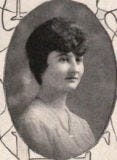
Ann’s future husband, Edward Apple, was also a University of Michigan student—two years younger, born in Ohio in 1898, and part of the Students’ Battalion during WWI. After earning his degree, he went on to law school and became a Detroit patent attorney. It’s easy to imagine Ann and Edward meeting on campus, perhaps at a lecture or a student gathering. They married in 1919, while Ann was still in school and is listed in the University of Michigan as a “non-graduate”, having dropped out in 1920.
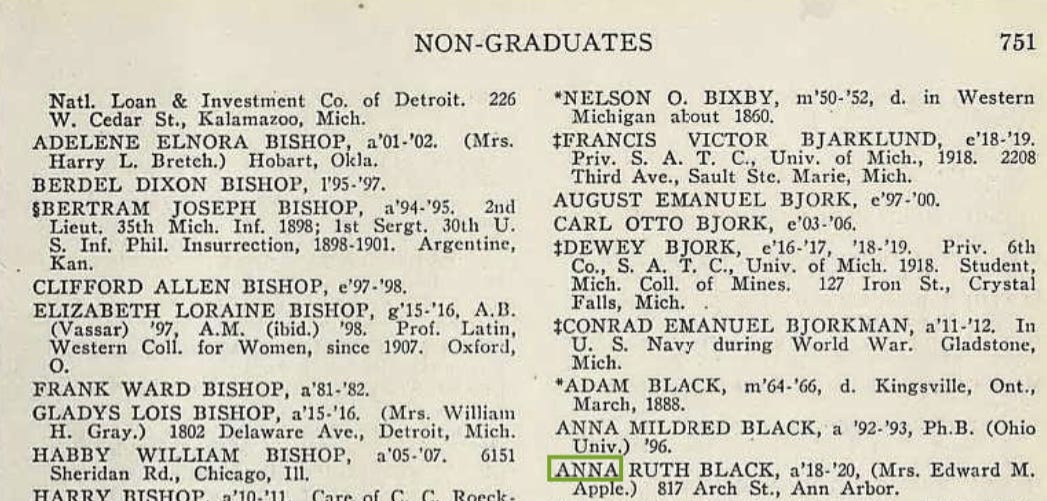
In 1921 Ann and Edward welcomed their only child - a daughter, Virginia (which may explain her dropping out of college). Ann settled into a comfortable life surrounded by attorneys—her brothers, her husband, and eventually her son‑in‑law. She and Edward lived in new homes around Detroit and Grosse Pointe, often with enough space to host Ann’s extended family. They were early car owners, too. In the early 1920s, when automobiles were still a novelty, the Apples regularly “motored” to Ohio to visit Edward’s relatives. It was a sign of both means and a sense of adventure.
Not everything was idyllic. In 1926, the family endured a disturbing incident when a Grosse Pointe patrolman shot and killed their dog after five‑year‑old Virginia tossed a stick into the street and the pup ran after it. Edward testified that the officer left the wounded dog to suffer, a memory that must have stayed with the family for years.
By 1930, Ann, Edward, and Virginia were living with Ann’s widowed mother and sister Hazel in a modest brick home on Grayton Road—just one bathroom and 1,300 square feet, but full of family.

Edward was becoming increasingly active in conservation work. As a member—and later president—of the Izaak Walton League of America, he fought fiercely to protect Michigan’s waterways. In 1941, he publicly opposed a bill that would have consolidated ownership of the state’s rivers and lakes, arguing for public access and environmental stewardship.
Ann had her own moment in the spotlight. In 1949, she submitted a simple gingerbread recipe to the Pillsbury Mills National Recipe Competition and earned a place in the finals in New York City. Like all contestants, she won $200, a trip to New York, and returned home with a brand‑new kitchen—an unforgettable adventure for a Michigan homemaker.
The Apples remained deeply connected to their roots. Edward served on the University of Michigan’s Board of Alumni and received a distinguished service award in 1960. Virginia married William Ditzler in 1954 and stayed close by in Grosse Pointe, eventually giving Ann and Edward a grandson, Thomas.
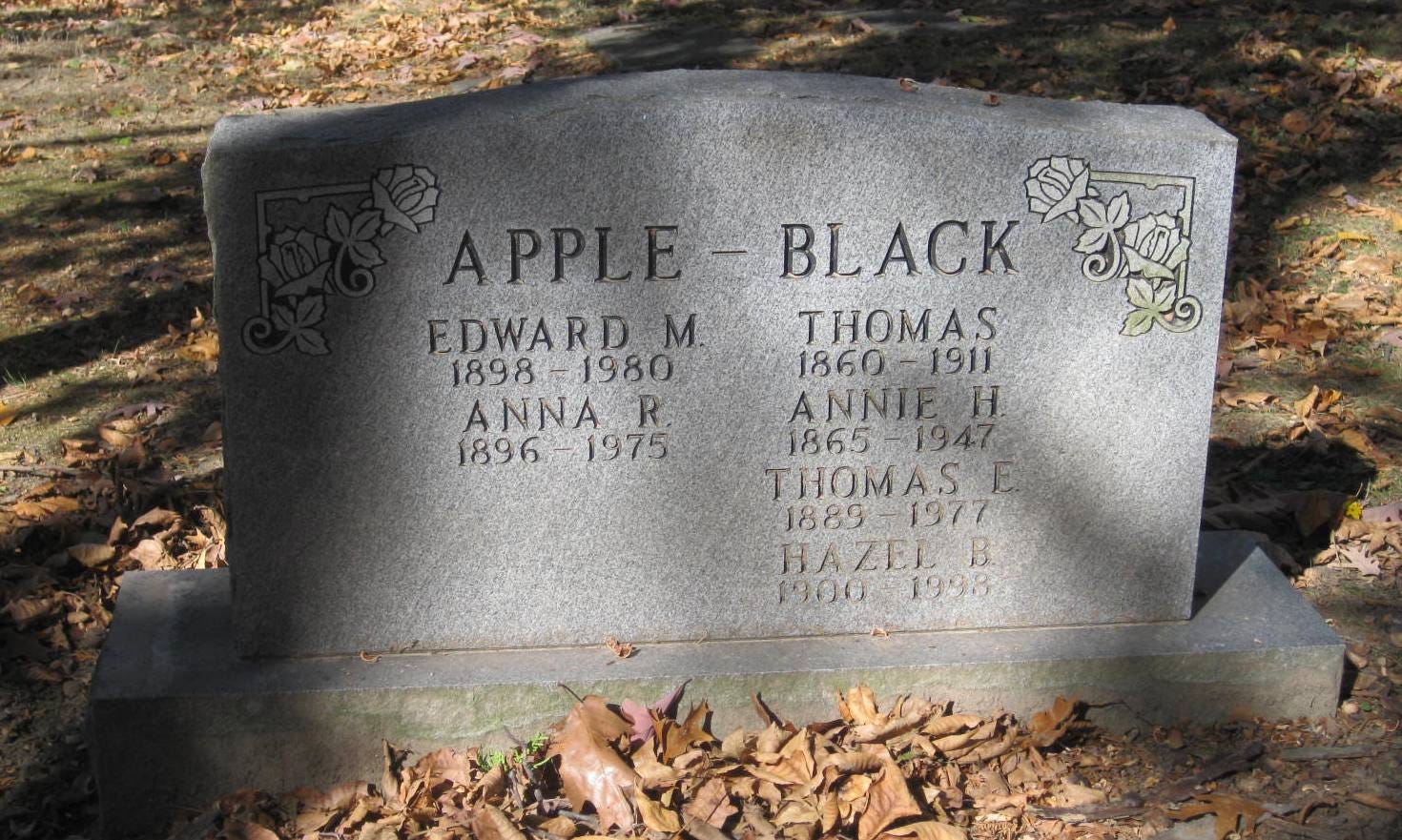
After Edward retired in 1957, he and Ann moved to Milan, Michigan—a leafy, quieter place where they could enjoy country life while staying close enough to watch their grandson grow. Ann lived there until her death in 1975. She is buried in Milan, sharing a headstone with Edward, her parents, her brother Thomas, and her sister Hazel. Edward followed her in 1980 after a long illness.
Let’s Make Cake!
Making this cake is very much like making gingerbread. I suspect it’s named “Ginger Tea Bread” so Pillsbury could distinguish it from the other gingerbreads in their recipe collection. There is a significant difference, however. The cake has very little spice, including ginger, compared to traditional gingerbread, and this makes the molasses the forward flavor. The cake is more like a moist molasses cake than a ginger cake.
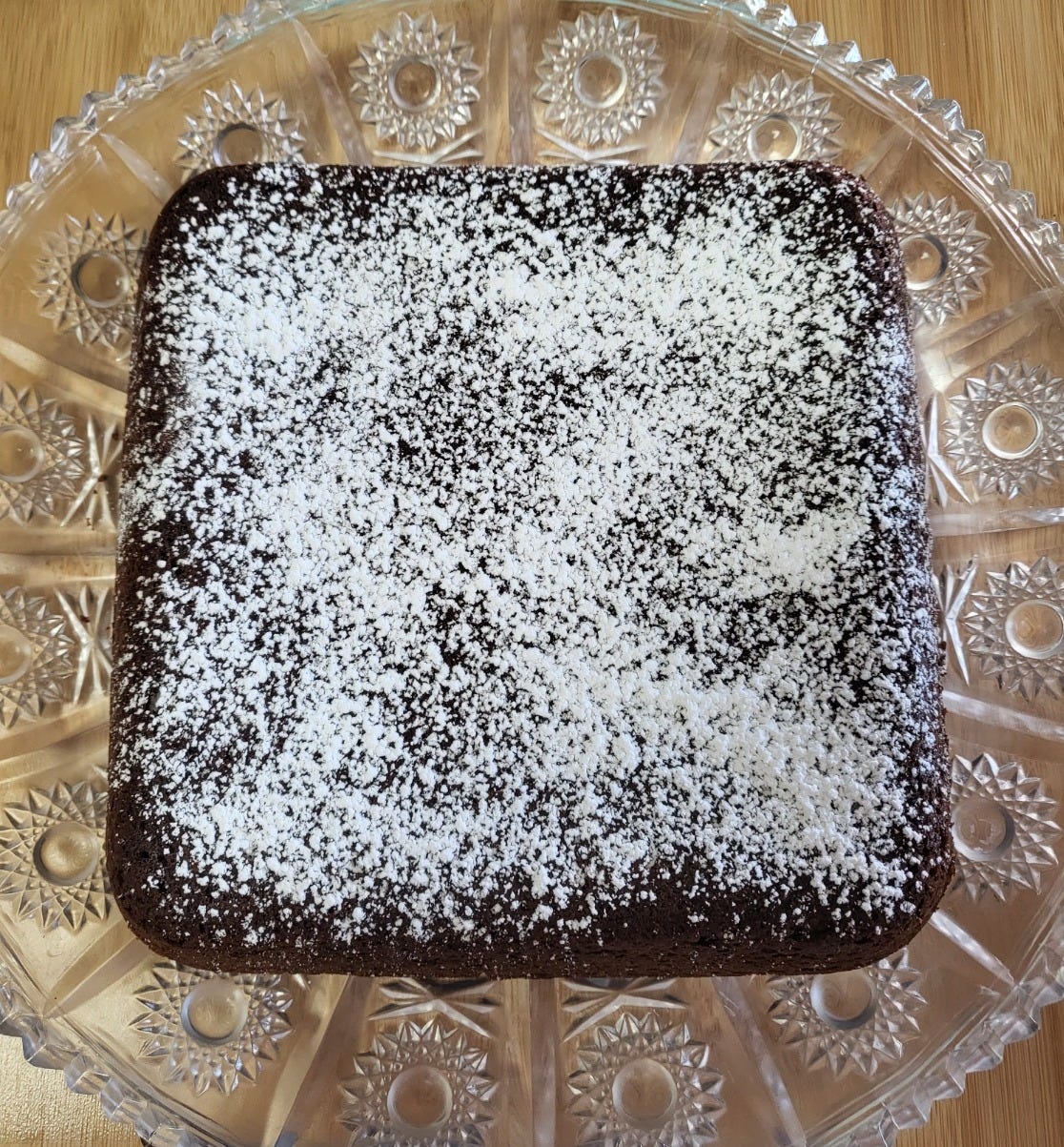
Verdict: Well, it turns out we both prefer gingerbread to molasses cake. This is a nice snacking cake, for sure, but if you’re expecting the bite of a gingerbread, this cake will be a little disappointing. It’s an easy fix, though… just increase the spices in the recipe!
Here’s Ann’s recipe if you want a nice snack with your afternoon tea or the perfect dessert for lunchboxes:
(Recipe published in the 1959 edition of “Pillsbury’s BEST of the BAKE-OFF Collection”)
Makes 8x8-inch gingerbread
Sift together in large mixing bowl:
1 1/4 c. sifted all-purpose flour
1/4 c. sugar
1 tsp. baking soda
1/2 tsp. salt
1/2 tsp. ginger
1/2 tsp. cinnamon
1/2 tsp. cloves
Add, beating well:
1 unbeaten egg
1/4 c. shortening (I used European-style butter)
1/2 c. molasses
Blend in:
1/2 c. boiling water
Mix thoroughly.
Pour into 8x8x2-inch pan, well-greased and lightly floured on the bottom.
Bake at 350 degrees for 30-35 minutes. Serve warm
Note: I dressed mine up a little with some powdered sugar on the top.
Sources:
Pillsbury Mills, Inc. (1959). Best of the bake-off collection: Pillsbury's best 1000 recipes. Consolidated Book Publishers, Chicago; distributed by Grosset & Dunlap
The Palm Beach Post. (2007, August 9). Obituaries, p. 17.
Detroit Free Press. (1926, July 13). Patrolman fined for shooting dog, p. 5.
Detroit Evening Times. (1941, September 28). Izaak Walton officer attacks water control, p. 7.
Flink, J. J. (1988). The automobile age. MIT Press.
The Ann Arbor News. (1924, July 14). Personal mentions, p. 8.
The Ann Arbor News. (1960, October 21). Alumni Association honors six graduates, p. 15.
The Ann Arbor News. (1949, December 12). Former resident is in baking contest, p. 10.
I wonder why the name doesn't reflect the molasses flavor. How many stars would you give this recipe? It's amazing you were able to get a picture of the headstone. That alone tells a story.